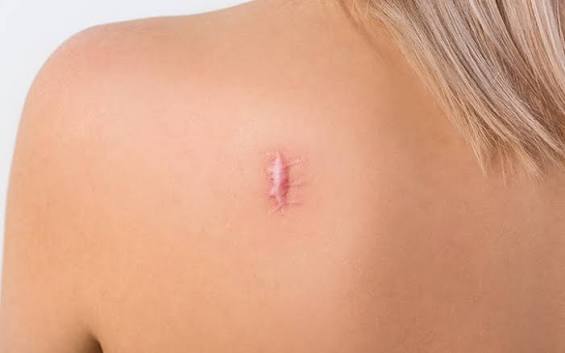
Keloid scars are a common dermatological concern that can arise after an injury, surgery, or even in response to acne. They are characterized by their raised, thickened appearance, often extending beyond the original injury site. Most often seen on the chest, shoulders, and earlobes, keloids can be both aesthetically displeasing and emotionally distressing for those affected. Understanding the mechanisms behind keloid formation is crucial for developing effective treatment strategies aimed at scar removal and management.
In this article, we will explore the various methods available for keloid scar removal, examining both medical and surgical options. From corticosteroid injections and laser therapy to surgical excision and innovative treatments, we aim to provide you with comprehensive insights on how to address keloids effectively. Whether you are seeking relief from discomfort or looking to improve your skin’s appearance, this guide offers valuable information to help you make informed decisions about keloid management.
Treatment Options
Various treatment options are available for keloid scars, tailored to individual patient needs and the severity of the scars. Corticosteroid injections are a common non-surgical approach that can help flatten keloids and alleviate discomfort. Laser therapy is another effective method, utilizing targeted light to reduce scar size and improve skin texture. Additionally, topical treatments that contain silicone can aid in scar management over time. For extensive keloids, surgical excision may be considered, often combined with other modalities, such as radiation therapy, to prevent recurrence. For those residing in Victoria, exploring options for keloid scar removal melbourne can connect you with professionals skilled in addressing these challenging scars.
Factors Affecting Treatment Success
The success of keloid treatment can be influenced by numerous factors, including the individual’s skin type, the keloid’s size and location, and the treatment methods employed. Some individuals may be more predisposed to developing keloids based on genetic factors, making management more complex. It’s also important to consider potential side effects and the healing process, as keloids can sometimes recur even after successful treatment. Collaborating with a healthcare provider to develop a personalized treatment plan can significantly improve outcomes and ensure that the chosen methods align with the patient’s goals for scar management.
In conclusion, navigating the complexities of keloid scar removal requires a thoughtful approach that considers both the physical and emotional aspects of living with these scars. While a variety of treatment options exist, ranging from non-invasive therapies such as corticosteroid injections and laser treatments to more invasive surgical procedures, the effectiveness of these methods can vary significantly based on individual circumstances. Factors such as skin type, genetic predisposition, and the specific characteristics of the keloid itself all play critical roles in determining the most suitable treatment path. Engaging in open discussions with healthcare professionals about treatment expectations, potential side effects, and long-term management strategies is essential for achieving satisfactory results. With a tailored treatment plan, many individuals can find relief and improve the appearance of their keloid scars, ultimately enhancing their quality of life.