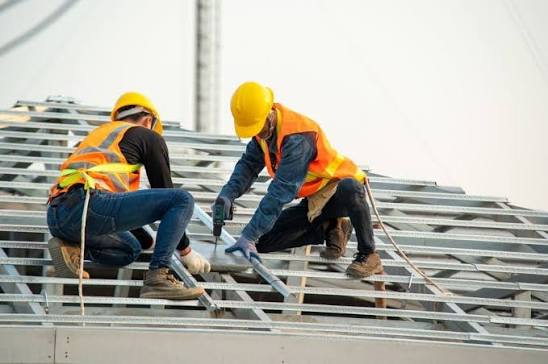
When it comes to maintaining the integrity of a commercial property, one of the most critical yet often overlooked aspects is the condition of the roof. Commercial roofs face a unique set of challenges due to their size, materials, and exposure to the elements. Regular wear and tear, intense weather conditions, and the accumulation of debris can lead to leaks, damage, and ultimately costly repairs if not addressed promptly. Understanding the importance of timely roof inspections and repairs is essential for business owners looking to protect their investment and ensure the safety of their occupants.
In this article, we will explore the various factors that contribute to the need for commercial roof repairs, common signs that indicate it’s time for maintenance, and the best practices for addressing roof issues effectively. Whether you’re a property manager, business owner, or facility maintenance professional, being well-informed about commercial roof repairs will not only extend the lifespan of your roofing system but can also prevent disruption to your operations and save you money in the long run.
Common Signs That Indicate Roof Damage
Regularly inspecting your commercial roof is vital for identifying potential issues before they escalate. Common signs of damage include sagging sections, water stains on interior ceilings, and visible cracks or blisters on the roof surface. If you notice any accumulation of debris such as leaves or branches, it’s also a signal that your roof could be obstructed, potentially leading to water pooling and leaks. Without timely action, these problems can become severe, necessitating expensive commercial roof repairs that could have been avoided with preventive maintenance.
Best Practices for Roof Maintenance
Implementing a routine maintenance plan is essential for extending the lifespan of your commercial roof. Start by scheduling professional inspections at least twice a year, preferably in the spring and fall, to assess the roof’s condition after harsh weather changes. Additionally, ensure gutters and drainage systems are clean and functioning correctly to prevent water buildup. Promptly address any minor issues before they develop into significant repairs, and keep a maintenance log to track completed work and planned inspections, which can help you manage your roofing needs effectively.
In conclusion, prioritizing commercial roof repairs is not just about addressing the aesthetics or immediate concerns but is a fundamental component of safeguarding your property’s overall value and functionality. By being vigilant about inspection, recognizing the signs of damage early, and committing to a proactive maintenance plan, business owners can significantly mitigate the risk of costly repairs and operational disruptions. Investing in your roof means investing in the long-term success of your business, ensuring a safe and comfortable environment for employees and customers alike. By treating your roof with the care it deserves, you pave the way for a resilient and efficient commercial space that can withstand the test of time.