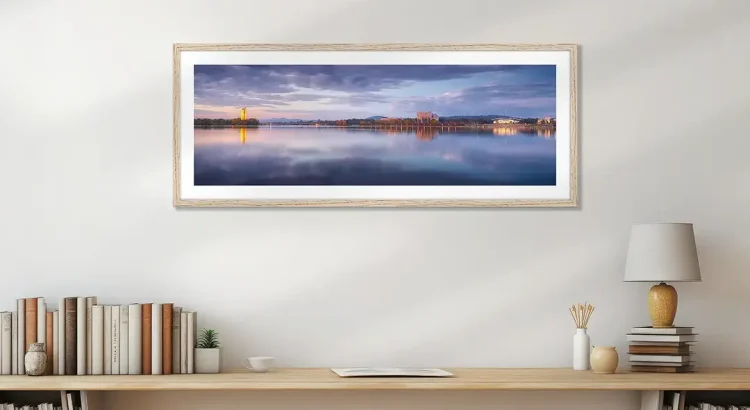
Wall painting is an age-old art form that has evolved through the centuries, transforming blank surfaces into captivating narratives that reflect culture, identity, and personal expression. From the intricate murals of ancient civilizations to contemporary street art, wall painting serves not only as a medium for artistic expression but also as a powerful means of communication. It beautifies spaces, tells stories, and often sparks conversations, making walls canvases that resonate with both the artist and the viewer.
In today’s rapidly changing urban landscape, wall painting has found new life and relevance, breathing vibrancy into communities and revitalizing neglected spaces. This article delves into the diverse techniques, styles, and cultural significance of wall painting, exploring its role in public art and community engagement. Whether it’s a mural adorning a city building or a carefully crafted design in a home, wall painting continues to inspire creativity and foster connections among people, making it a timeless and impactful art form.
Techniques and Styles of Wall Painting
Wall painting encompasses a myriad of techniques that elevate it from mere decoration to a profound art form. Traditional methods, such as fresco and tempera, showcase the meticulous skill of artisans who transformed surfaces using natural pigments and time-honored practices. In contrast, contemporary styles incorporate spray paint and mixed media, allowing artists to explore bold expressions and intricate designs. From geometric patterns to realistic portraits, the diversity in styles reflects the artist’s intent and the cultural narratives they wish to convey. In urban areas, initiatives for Wall Painting Canberra aim to engage local artists in revitalizing public spaces, fostering a sense of community pride while ensuring the accessibility of art to all.
Cultural Significance and Community Engagement
Wall painting serves as a visual dialogue that connects communities and celebrates local heritage. Murals can embody historical events, convey social messages, or even depict the daily lives of the people in a specific area. This powerful medium not only enhances the aesthetic appeal of neighborhoods but also provides a platform for marginalized voices, allowing for stories that would otherwise remain unheard to gain visibility. By involving community members in the creation and themes of these artworks, wall painting fosters a collaborative spirit, reinforcing identity and pride within the collective living space.
In conclusion, wall painting transcends mere aesthetics; it is a dynamic form of expression that captures the essence of cultures and communities across time and space. As both a historical art form and a contemporary medium, it bridges gaps between diverse experiences, inviting dialogue and reflection. The vibrant murals and intricate designs that adorn our public and private spaces are not just visual feasts but powerful narratives that foster connections and cultivate shared identities. Through wall painting, communities celebrate their uniqueness while building bridges of understanding, affirming the timeless relevance of this art form in shaping the world around us. As we look toward the future, the potential for wall painting to inspire, unite, and innovate remains limitless, ensuring its place as a vital element of human expression.